This edition highlights the latest Keyman product and keyboard development updates from 20 — 31 July 2026, describing recent progress across the project and contributions from the community.
A few links
- Learn how to create and share a keyboard
- GitHub home for Keyman, where the source code is shared
- Our internal development status site
A dose of testimony
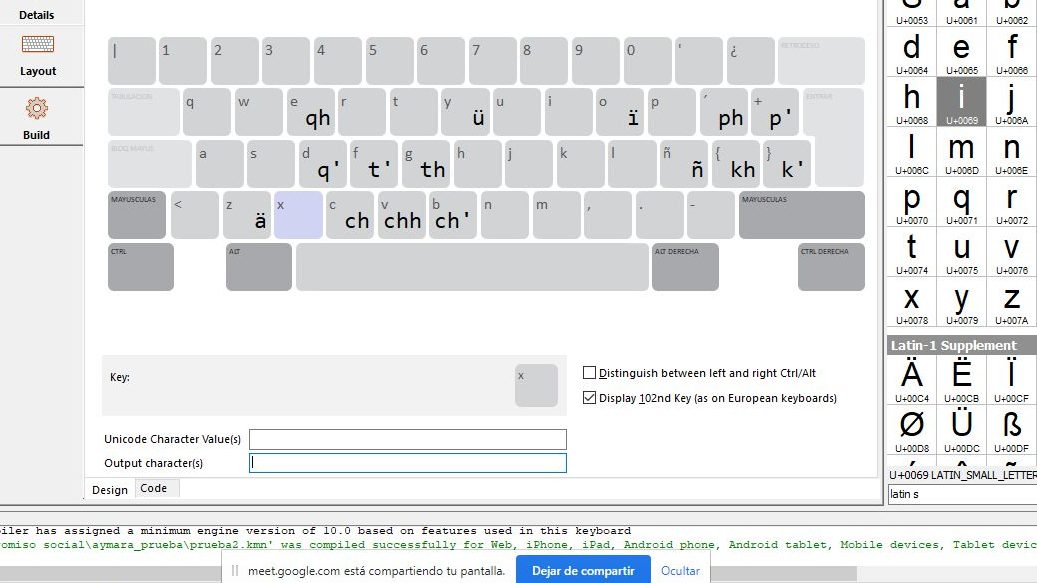
In 2020, in the middle of the pandemic, teachers across Argentina were giving classes and homework through their phones. Teachers of Qom, Aymara, Mocoví, and Mbya Guaraní Indigenous languages of Argentina, faced an extra problem: their keyboards couldn’t write their languages.
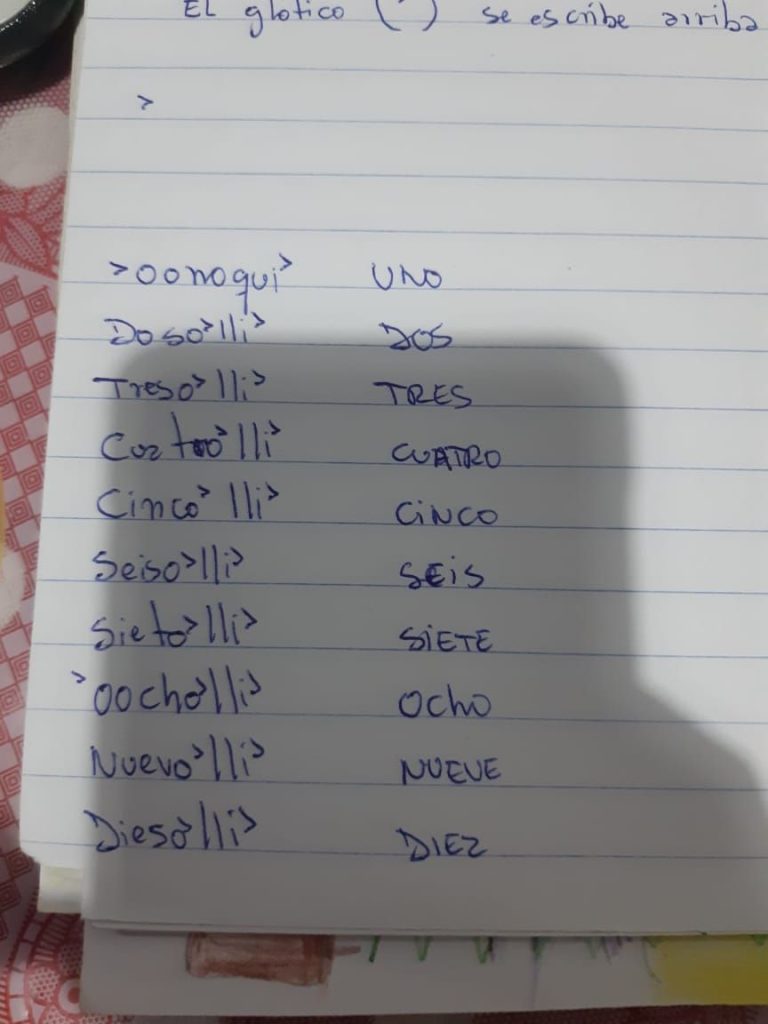
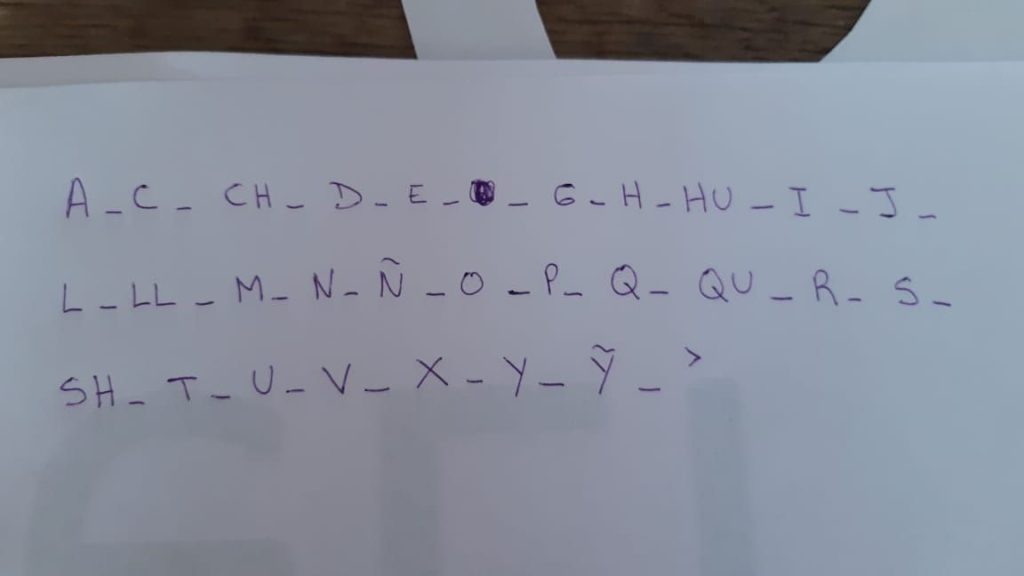
No ỹ. No glottal stop. No way to send a simple WhatsApp message in your own language without “fixing” it into Spanish characters.
Typing in your language is one of those things we take so completely for granted that we never stop to think about what it’s worth, until it isn’t there.
So we built the keyboards, using Keyman, an open-source platform for exactly this.But the part I remember most is how we built them. Speakers sent us handwritten alphabets and voice notes over WhatsApp. They tested every version and told us what worked and what didn’t. The communities weren’t “beneficiaries” of the project, they were the experts on it.
Six years later, that keyboard is still in use!!
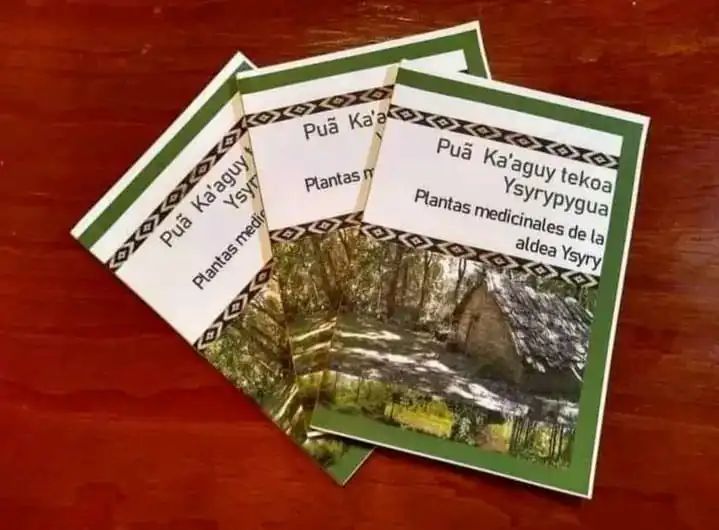
The Mbya Guaraní community of Ysyry used it to transcribe 35 interviews in Mbya for “Puã Ka’aguy Tekoa Ysyrypygua,” a fully bilingual book on medicinal plants written together with the National University of Misiones, a book that just represented their province at the International Book Fair in Buenos Aires.
A keyboard built to send WhatsApp messages during a pandemic is now being used to write books.
Language technology doesn’t start with code. It starts with listening.
Eugenia Urrere (LinkedIn Post)
Keyman minor releases
Keyman 19.0.259-alpha through 19.0.261-alpha were released in this cycle. Here are some significant changes:
- Web
- A solution for KeymanWeb bookmarks when third-party cookies are blocked (#16283)
The full list of updates can be viewed in the version history.
Keyboard Updates
New keyboards
- The Northern Chinook Jargon keyboard is for Northern / BC Chinook Jargon using Dr David Douglas Robertson’s latin orthography – thanks to juliebaumler (#4057)
- The komese telex keyboard is created for komese Cón-Nhử Koec-Nhử-Dzụ̆ 贛語國語字 Script of National Language for Komese – credit goes to Cathaylaboratory (#4075)
- The لری (Luri Paprik) keyboard is an Arabic-script keyboard for Northern Luri – contributed by luresun (#4058, #4078)
- The Laz Phonetic and Mingrelian Phonetic keyboards for the Laz and Mingrelian languages using Asomtavruli (#4060, #4061)
- The Laz Latin and Mingrelian Latin keyboards for transcription of the Lazuri and Mingrelian language (#4055, #4056)
- The CauNon keyboard is designed for the Mon language (mnw) to type Mon & Burmese Unicode as classic UniMon keyboard in single layout – much thanks to Monitvilla (#4064, #4083)
Enhanced keyboards
- The Ahom Star keyboard v2.0.0 (#4077):
- Move the default Ahom digits from default to shift layer
- Add Burmese digits as default
- Move punctuation from shift digits to RALT SHIFT
- Move arabic numerals to SHIFT.
- The cantonese telex keyboard v4.0.4 adds
șþżletters for loanwords and specific accents – thanks to Cathaylaboratory (#4054) - The Swahili Ajami (QWERTY) keyboard v1.0.1 receives (#4065):
- Revise shift layer so “E” exactly follows original layout
- Move ZWNJ, ZWJ, LRM, RLM to shifted number keys.
New contributors
We welcome one new contributor to the team page. Thank you for helping Keyman to serve everyone better! During this release cycle, we recognize:
- Juli Baumler submitted the Northern Chinook Jargon keyboard.